
How To Repair A Lawn Chair With Polypropylene Webbing

A Durable, Waterproof Fix for Outdoor Seating
Lawn chairs are a summer essential — perfect for relaxing outside with a cold drink while enjoying warm evenings. Unfortunately, constant exposure to sun, heat, and rain can cause lawn chair webbing to wear out faster than expected.
Rather than replacing the entire chair, you can restore both comfort and strength by repairing damaged sections with stretch-resistant, waterproof polypropylene webbing.
Why Polypropylene Webbing Is Ideal for Lawn Chairs
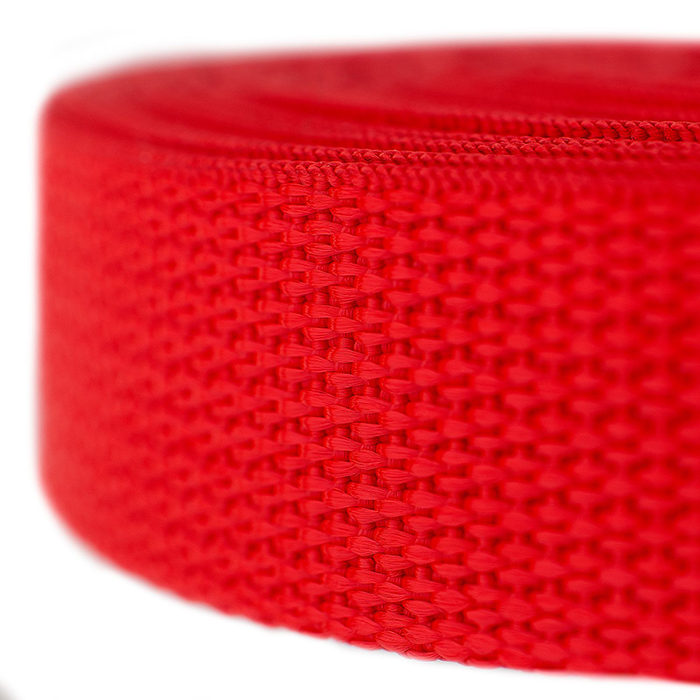
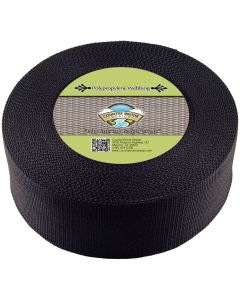
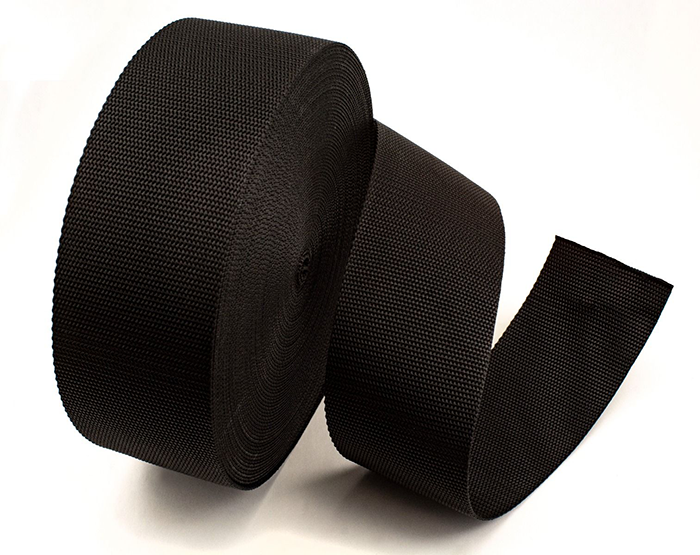
Polypropylene webbing, often called polypro, is a strong, lightweight material that performs exceptionally well outdoors. In fact, many lawn chairs are originally manufactured using this same type of webbing.
Benefits of polypropylene webbing include:
- Excellent resistance to moisture
- Minimal stretch under weight
- UV and mildew resistance
- Easy cleaning and low maintenance


More Color Options Than Traditional Chair Strapping
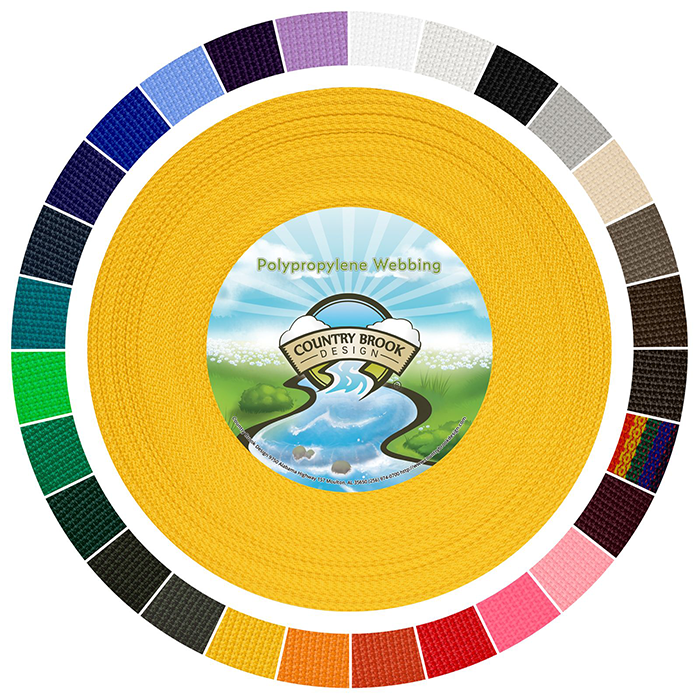
One major advantage of using polypro webbing for repairs is the wide range of available colors. Instead of settling for generic replacement straps, you can:
- Match existing cushions
- Create a bold contrast
- Show off school or sports team colors
This makes polypropylene webbing both a functional and decorative upgrade.
Preparing the Chair for Repair
To access the damaged webbing, you may need to remove the dust cover or backing from the chair.
- Turn the chair upside down
- Carefully remove the dust cover using a screwdriver or the back of a hammer
- Set aside any hardware so it can be reused during reassembly
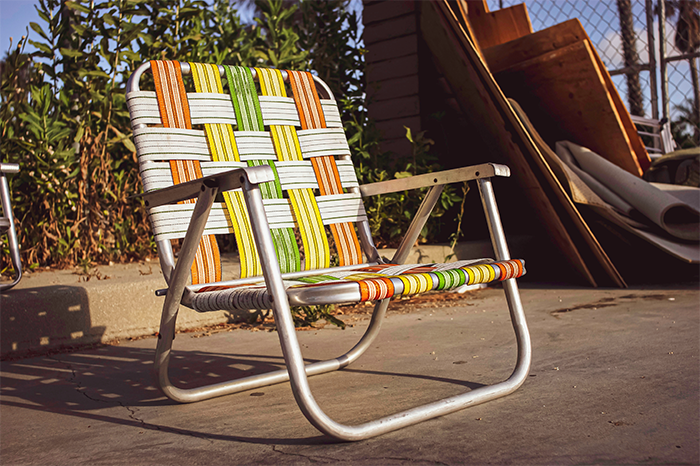
Once exposed, you’ll be able to clearly see which webbing strips are frayed, stretched, or broken.
Removing & Measuring the Old Webbing
Using appropriate tools, remove the damaged webbing pieces.
To measure for replacement:
- Stretch the old webbing back into position as it appeared when the chair was new
- Compare it against the intact webbing strips
- Measure carefully so the replacement webbing matches the original tension

Remember: Measure twice, cut once.
Installing the New Polypropylene Webbing
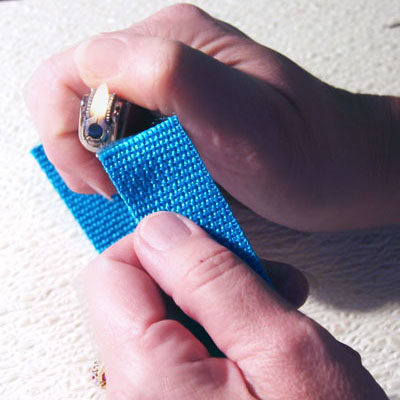
Cut your polypropylene webbing to the measured length and heat-seal the ends to prevent fraying.
When attaching the new strips:
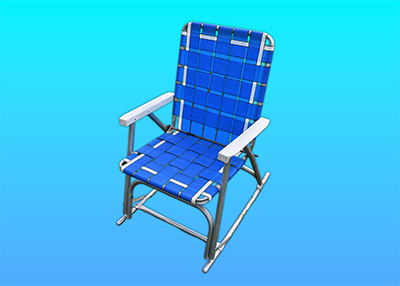
- Follow the original weaving pattern
- Ensure even spacing and consistent tension
- Secure the webbing firmly in place
If the chair has experienced repeated wear in the same areas, consider adding extra polypro webbing strips for reinforcement. This added strength can extend the life of your chair significantly.
Finish & Reassemble
Once all replacement webbing is installed:
- Reattach the dust cover
- Double-check tension and alignment
- Make sure no webbing is twisted or loose
Your lawn chair should now feel supportive, stable, and ready for many more summers.
A Cost-Effective Outdoor Upgrade
Repairing your lawn chair with polypropylene webbing saves both time and money — and keeps usable furniture out of landfills. With its durability and weather resistance, polypro webbing ensures you won’t be repeating this repair anytime soon.


