 Our offices will be closed Monday, September 7th for Labor Day. Orders can still be placed online, and both customer service and shipping will resume Tuesday, September 8th.
 Review and Win! Share your verified review and get a chance to win a $25 store credit!

Make Your Own Custom Dog Collar

Creating a custom dog collar is one of the most rewarding DIY projects for pet owners. Not only does it allow you to design something unique for your dog, but it also gives you control over materials, sizing, and durability.
At Country Brook Craft Supply, we work with collar materials every day, so we know what goes into building durable dog collars that are both functional and stylish. If you have ever wanted to make your own, this guide will walk you through the basics while helping you choose the right materials for long-term performance.
Why Make a Custom Dog Collar?
There are many reasons pet owners choose to create their own collars.
Some want cute dog collars that reflect their dog’s personality. Others need specific sizing for growing puppies or large breeds. Custom builds are also helpful when store-bought options do not meet durability or style expectations.
- Making your own collar allows you to:
- Choose your own colors and patterns
- Control collar width and thickness
- Select heavy-duty hardware
- Customize fit for unique dog collar sizes
It is also a great project for crafters who enjoy sewing or working with webbing materials.
Step 1: Choose Durable Materials
Durability starts with the foundation materials you select.
Most durable dog collars begin with nylon or polyester webbing. These materials provide the strength needed for daily walks, leash tension, and training activities.
When selecting webbing, consider:
- Thickness for strength
- Flexibility for comfort
- Weather resistance
If you want decorative flair, you can sew patterned ribbon or fabric overlays onto the webbing base. This creates cute dog collars while maintaining structural integrity underneath.
Step 2: Select the Right Hardware
Hardware is just as important as the collar material itself.
A standard custom collar typically requires:
- Side-release buckle
- D-ring for leash attachment
- Triglide for adjustability
For big collars for big dogs, choose heavy-duty metal hardware that can withstand pulling force. Smaller plastic hardware may be suitable for collars for little dogs or lightweight puppy builds.
If you are creating martingale dog collars, you will also need:
- Two D-rings
- Control loop webbing
Martingale designs require precise assembly to function safely and effectively.

Accurate sizing is critical when making a custom collar.
To measure:
- Wrap a soft measuring tape around your dog’s neck
- Measure where the collar will naturally sit
- Add space for comfort
This measurement becomes your base for cutting webbing and setting adjustability ranges.
Pay close attention to puppy collar size needs. Puppies grow quickly, so adding extra adjustment room helps extend the collar’s usability.

Step 4: Cut and Seal the Webbing
Once measurements are complete, cut your webbing to size.
Be sure to leave additional length for:
- Folding through hardware
- Stitching allowance
- Size adjustment range
After cutting, seal the edges of synthetic webbing using heat. This prevents fraying and strengthens the finished collar.
Step 5: Assemble the Collar
Assembly order matters when building dog collars and leashes.
Typical steps include:
- Slide the triglide onto the webbing
- Attach the buckle end
- Loop webbing through the D-ring
- Fold and stitch securely
For martingale dog collars, you will create both the main loop and control loop before joining them with hardware.
Heavy-duty stitching such as box stitching helps reinforce stress points and improve durability.
Step 6: Test Strength and Fit
Before placing the collar on your dog, test its construction.
Check for:
- Loose stitching
- Hardware movement
- Webbing slippage
Then fit the collar using the two-finger comfort rule. You should be able to fit two fingers between the collar and your dog’s neck.
This ensures comfort while maintaining safety.
Customization Ideas
One of the best parts of DIY collars is personalization.
Popular customization options include:
- Patterned ribbon overlays
- Embroidered names
- Color-matched dog collars and leashes
- Seasonal or holiday prints
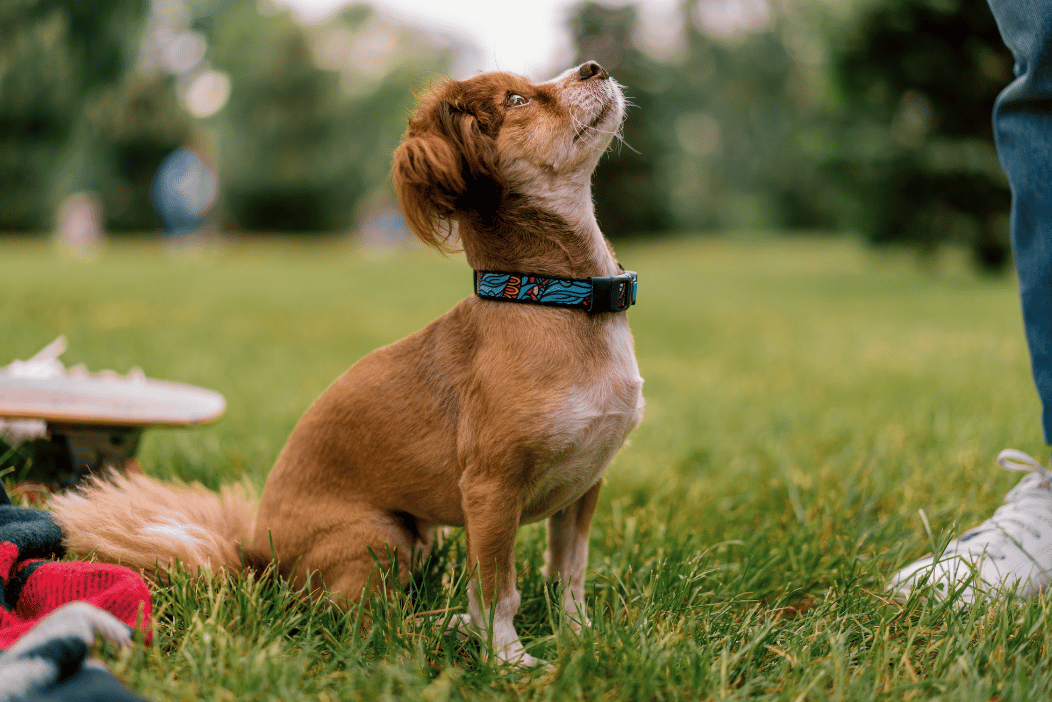
These additions allow you to create cute dog collars that still perform like professionally made gear.
When to DIY vs Buy
While DIY collars are fun to create, not every situation calls for a homemade build.
For example:
- Big collars for big dogs often require industrial stitching
- Training collars must meet safety standards
- Martingale dog collars need precise sizing
In these cases, professionally manufactured collars may provide greater peace of mind.
Many pet owners enjoy DIY projects for casual wear while relying on professionally made durable dog collars for training and daily walks.
Final Thoughts
Making your own custom dog collar is a creative and practical way to outfit your pet. By choosing strong webbing, reinforced hardware, and proper sizing techniques, you can build a collar that balances comfort, safety, and style.
Whether you are crafting cute dog collars for a small breed or exploring materials for more durable builds, understanding the construction process helps you make better decisions for your dog’s everyday gear.
Ready for your next project? Shop our dog collar supplies.
Frequently Asked Questions
What is the best material for a DIY dog collar?
Nylon webbing is one of the most popular choices because it offers strength, flexibility, and long-term durability. Polyester overlays can be added for decorative designs while maintaining structural support.
How do I measure dog collar sizes correctly?
Use a soft measuring tape around the base of your dog’s neck and apply the two-finger comfort rule. This ensures the collar is secure without being restrictive.
Can I make martingale dog collars at home?
Yes, but they require additional hardware and precise assembly. Proper sizing is especially important for martingale collars to function safely.
What hardware should I use for large dogs?
Big collars for big dogs should use heavy-duty metal buckles and welded D-rings. These components help withstand pulling force and daily wear.
Are DIY collars safe for puppies?
They can be, as long as lightweight materials and proper puppy collar size adjustments are used. Always check fit frequently as puppies grow.
Troy has helped Country Brook Craft Supply support a community of makers, crafters, sewers, small businesses, and DIYers from the Moulton, Alabama shop since 2003.


