
Best Webbing for Bags: Strength and Style Guide
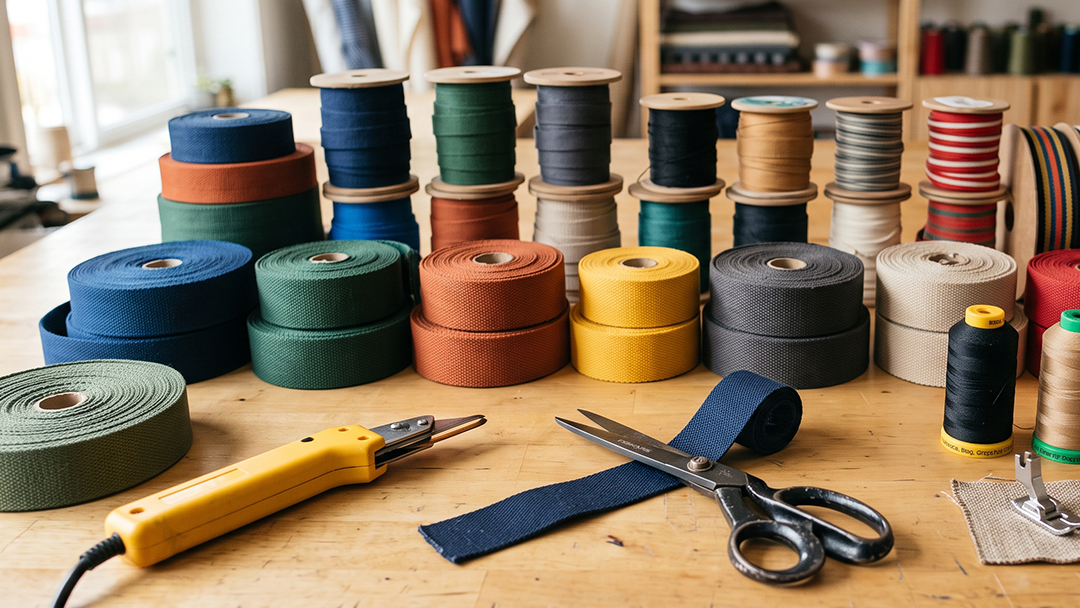
Choosing webbing for a bag project means balancing practical needs with aesthetic preferences. The wrong choice might look exactly right when you finish sewing but start failing after a few months of daily use. The right choice supports the weight you need it to carry, wears well over time, and complements the design you have in mind.
Making a simple tote, a heavy-duty backpack, or something in between all require a real understanding of what different webbing types actually offer. That understanding is what separates a bag that holds up from one that disappoints.
Understanding Webbing Basics: Material and Construction
Webbing is defined by two main factors: what it's made from and how it's woven.
Most bag webbing comes in nylon or polypropylene, though you'll also find cotton, polyester, and blended options. Each material behaves differently under stress, exposure to the elements, and repeated use. After more than two decades of working with these materials and watching how they perform in real-world projects, a few things become clear pretty quickly.
Nylon Webbing
Nylon webbing offers excellent strength-to-weight ratio and resists abrasion well. It has some stretch under heavy loads, which can be an advantage or a disadvantage depending on your application. Nylon holds color well and feels softer than many alternatives, which makes it comfortable against skin or clothing. The tradeoff is that nylon costs more than polypropylene and can degrade with prolonged UV exposure, though this happens gradually over years rather than months.
Polypropylene Webbing
Polypropylene webbing is lighter and more affordable. It resists moisture and mildew better than nylon, which makes it a practical choice for bags that might get wet regularly. The downsides are real though: polypropylene is stiffer, more prone to fraying at cut edges, and generally less durable under repeated stress. It also breaks down faster in sunlight than nylon or polyester.
Cotton Webbing
Cotton webbing appeals to makers who want natural fibers or a softer, more handcrafted aesthetic. It's comfortable, takes dye beautifully, and carries a classic look that synthetic options don't quite replicate. The significant limitation is strength. Cotton webbing isn't appropriate for bags that will carry substantial weight or endure rough use. It also absorbs moisture and can mildew if stored damp. For makers in our community who work in slower, more intentional styles, cotton webbing is a genuinely wonderful material when it's matched to the right application.
Polyester Webbing
Polyester webbing sits between nylon and polypropylene in many characteristics. It has minimal stretch, good UV resistance, and solid strength. Some makers prefer it specifically because it doesn't stretch, which provides more rigid support for structured bags.
Weight Ratings and Load-Bearing Capacity
Webbing comes with breaking strength ratings, typically measured in pounds. A common mistake is selecting webbing based solely on what you plan to carry rather than accounting for stress multipliers.
If you're making a bag meant to carry 20 pounds, you might assume webbing rated for 50 pounds gives you plenty of margin. But consider how loads actually stress webbing in use. When you drop a loaded bag onto a table, sling it over your shoulder, or catch it by one strap mid-swing, you create forces significantly higher than the static weight of the contents.
A better approach is to think in terms of safety factors. For everyday bags carrying moderate loads, look for webbing with a breaking strength at least three to four times higher than the maximum weight you expect. For bags meant to carry heavy loads or endure rough handling, that factor should be higher.
Width matters too. One-inch webbing distributes weight differently than half-inch webbing. Wider webbing spreads load across more material and feels more comfortable against shoulders or hands when used as straps. Narrower webbing works well for lighter bags or decorative details where bulk would be unwelcome.
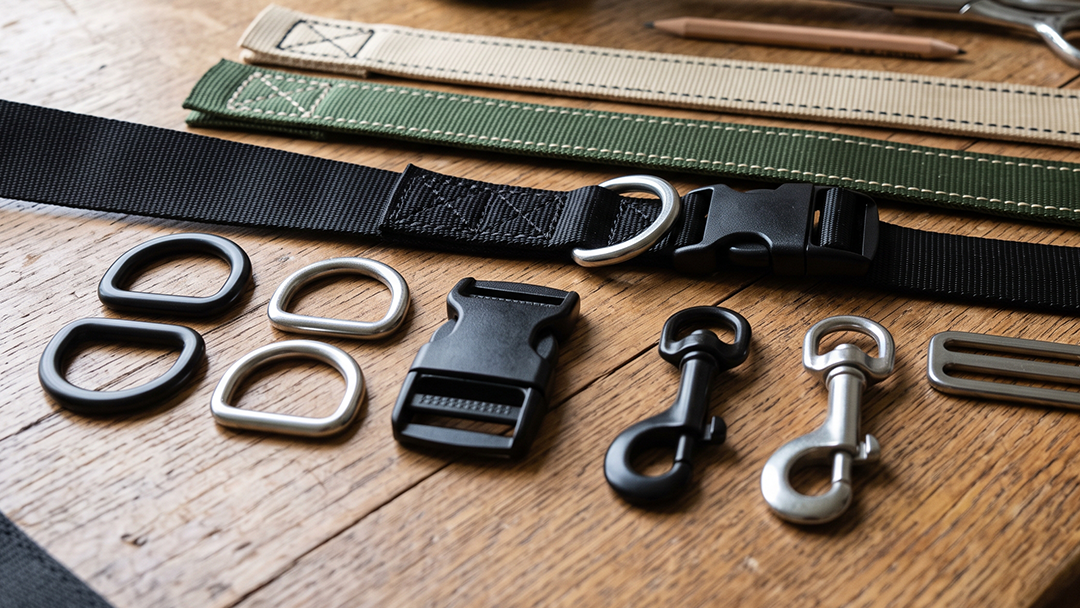
Pay attention to how you're attaching the webbing as well. The strongest webbing in the world won't help if your stitching or hardware creates a weak point. Box stitches, bar tacks, and proper reinforcement at stress points matter as much as the webbing itself. This is something our team sees come up time and again when customers bring in projects that have started pulling at attachment points. The webbing held fine. The stitching gave out.
Matching Webbing to Bag Style and Function
Different bag styles demand different webbing characteristics.
Tote Bags
For tote bags that carry groceries, books, or daily essentials, you want webbing that's strong enough for sudden loads but comfortable to carry. One-inch nylon webbing works well here. It has the strength for unexpected heavy loads, feels good in hand, and comes in enough colors to coordinate with most fabric choices. If you prefer stiffer handles that hold their shape rather than draping, polyester offers that quality while maintaining good strength.
Backpacks and Messenger Bags
Backpacks and messenger bags require more careful consideration because they typically carry heavier loads over longer periods. Webbing for shoulder straps should be wide enough to avoid digging into shoulders, with 1.5 to 2 inches being the most common range, and strong enough to handle the dynamic stresses of walking, climbing stairs, or cycling. Nylon excels here because its slight stretch adds comfort during movement. For webbing that cinches, adjusts, or threads through hardware, you need material that slides smoothly without excessive stiffness.
Duffel and Gym Bags
Duffel bags and gym bags often benefit from polypropylene webbing for handles and straps because these bags frequently encounter moisture. A gym bag going in and out of a locker room or sitting in a car trunk needs webbing that won't absorb sweat or dampness and develop odors or mildew.
Camera, Tool, and Specialty Bags
Camera bags, tool bags, and specialty carriers for valuable or heavy items deserve the strongest webbing you can reasonably use. These bags protect expensive contents and often get handled roughly. High-test nylon webbing makes sense here, even at a higher cost.
Decorative or Fashion-Focused Bags
Decorative or fashion-focused bags where appearance matters as much as function offer more flexibility. If you're making a small clutch, evening bag, or lightweight accessory, cotton webbing or lighter-weight synthetics work fine. The loads are minimal, and the aesthetic qualities of the webbing become the priority.
A Note for the Intentional Maker
If you're working in the slow-making tradition, thinking carefully about every material decision rather than just grabbing whatever's available, webbing is worth giving real attention. The handles and straps on a handmade bag are the parts that get touched every single day. They carry the wear of the thing.
Cotton webbing, when it's right for the application, brings a warmth and authenticity that no synthetic can replicate. It ages differently too. A well-made canvas tote with cotton handles develops a character over years of use that a bag with plastic-feel polypropylene handles simply never will. We stock cotton webbing in a range of widths and natural tones because our customers making heirloom-quality pieces have asked for it, and that conversation matters to us. At the same time, we'll always be direct with you about where cotton's limits are, because a bag that fails isn't serving anyone.
Color, Finish, and Aesthetic Considerations
Webbing isn't just functional. It's often a visible design element that shapes how a finished bag reads.
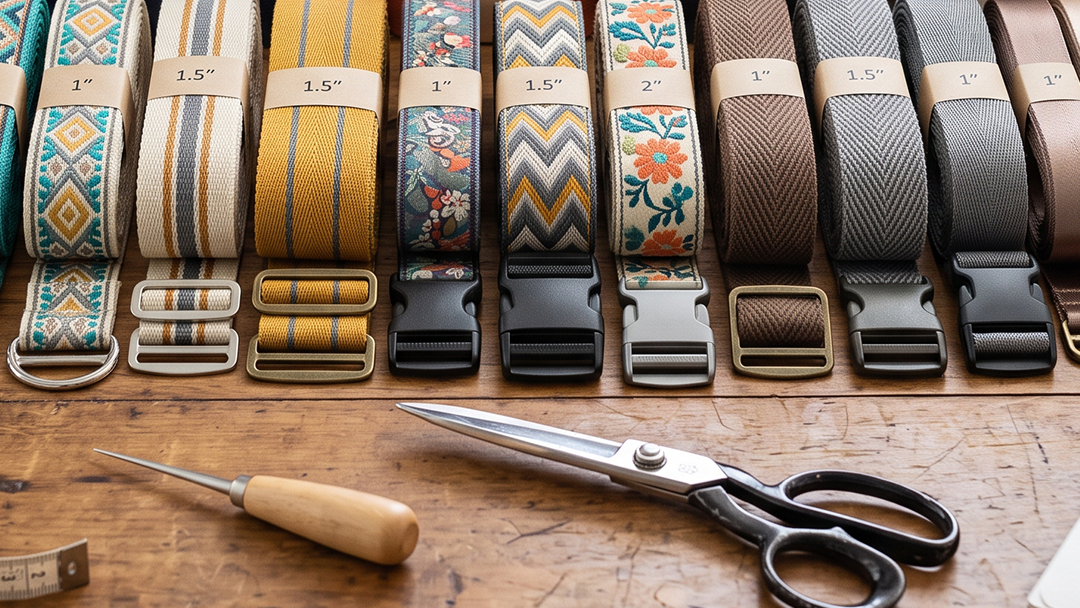
Solid colors are versatile and straightforward. Black, gray, navy, and earth tones complement most fabrics and create a clean, professional look. Brighter colors let you add contrast or coordinate with a specific color scheme. The range of available colors depends partly on material. Nylon takes dye especially well and comes in the widest color selection, which is part of why it's become the default choice for so many bag makers.
Some webbing includes patterns, stripes, or printed designs. These can add genuine visual interest but require more careful coordination with your main fabric. A subtle stripe can enhance a simple canvas bag. Competing patterns can overwhelm a design quickly.
Finish affects both appearance and function. Standard webbing has a matte surface. Some nylon webbing comes with a slight sheen that looks more polished but can be slippery when threading through hardware. Textured webbing provides better grip, which matters for adjustable straps or handles that need to hold securely in hand.
Edge finish is worth considering too. Most webbing has tightly woven edges that resist fraying, but some types perform better than others at a cut edge. Polypropylene tends to fray more readily when cut, so you'll want to heat-seal or fold and stitch the ends carefully. Nylon and polyester typically have cleaner edges that are easier to work with.
Thickness varies even within the same width and material category. Thicker webbing feels more substantial and often signals quality, but it's also harder to sew through and can create bulk at connection points. Thinner webbing is easier to manipulate and stitch but may not have the hand feel you want for a more refined finished product.
Practical Sourcing and Working with Webbing
Once you know what you need, getting the right webbing in quantities that make sense for your projects matters.
Small craft stores often carry limited selections, usually in short lengths and at higher per-yard prices. This works fine for trying out a material or completing a single project, but becomes expensive quickly if you make bags with any regularity.
Buying in larger quantities from a specialized supplier typically offers better value and a much broader selection. When you find webbing that works well for your common projects, purchasing a 50 or 100-yard roll brings the cost down significantly. We stock a wide range of webbing materials, widths, and colors specifically for makers who need reliable materials without the markup that comes from small retail packaging. We've been sourcing and supplying webbing out of Moulton, Alabama for over 22 years, and the depth of our inventory reflects what real makers actually need rather than a generic craft store assortment.
Working with webbing requires some specific techniques. Cutting with a hot knife or immediately heat-sealing synthetic webbing after cutting prevents fraying and makes finishing easier. If you don't have a hot knife, cutting with sharp scissors and carefully melting the edge with a flame works, though you need to be cautious about safety and avoiding excessive melting that weakens the edge.
Sewing webbing, especially heavier weights, demands a sturdy needle and strong thread. A walking foot helps feed thick layers evenly. When sewing webbing to fabric, think about whether you want the stitching to show and choose thread accordingly. Matching thread disappears into the webbing. Contrasting thread becomes a design detail.
Testing webbing before committing to a full project saves frustration. Sew a sample attachment, load it with weight, and see how it behaves. This is especially valuable when trying a new webbing type or working with particularly heavy expected loads.
Frequently Asked Questions
What is the strongest webbing material for heavy-duty bags?
Nylon webbing generally offers the best strength-to-weight ratio and durability for heavy-duty applications. Look for webbing with high breaking strength ratings, typically over 1,000 pounds for serious load-bearing, and remember that wider webbing distributes weight more effectively. Always choose webbing rated well above your expected maximum load to account for dynamic forces.
Can I use cotton webbing for bag straps that will carry weight?
Cotton webbing works well for lightweight bags and decorative applications, but it's not the right call for bags carrying significant weight. Cotton has lower breaking strength than synthetic alternatives, absorbs moisture, and can weaken over time with exposure to dampness. For functional bags that carry more than a few pounds on a regular basis, nylon or polyester webbing provides better long-term durability.
How do I prevent webbing from fraying when I cut it?
For synthetic webbing including nylon, polyester, and polypropylene, heat-sealing the cut edges is most effective. You can use a hot knife designed for this purpose, or carefully melt the edge with a lighter after cutting with scissors. Move quickly and avoid overheating, which can weaken the webbing. For cotton webbing, folding the raw edge and stitching it is the most reliable approach.
What width webbing should I use for backpack straps?
Backpack shoulder straps typically use 1.5 to 2-inch webbing for comfort and load distribution. Wider webbing prevents the straps from digging into shoulders when carrying heavier loads. For adjustment straps and attachment points, 1-inch webbing is usually sufficient. The specific width depends on the expected load and how long the bag will be worn.
Does webbing color fade over time?
All webbing can fade with prolonged exposure to sunlight, but the rate varies by material. Nylon generally holds color better than polypropylene. Polyester offers good UV resistance. Darker colors typically show less visible fading than lighter ones. If your bag will see frequent outdoor use or sustained sun exposure, choosing solution-dyed webbing, where color is incorporated during fiber production rather than applied afterward, provides the best long-term colorfastness.
Troy has helped Country Brook Craft Supply support their community of makers, crafters, sewers, small businesses, and DIYers from the Moulton, Alabama shop for over 15 years.


