
Nylon, Polypropylene, and Polyester Webbing
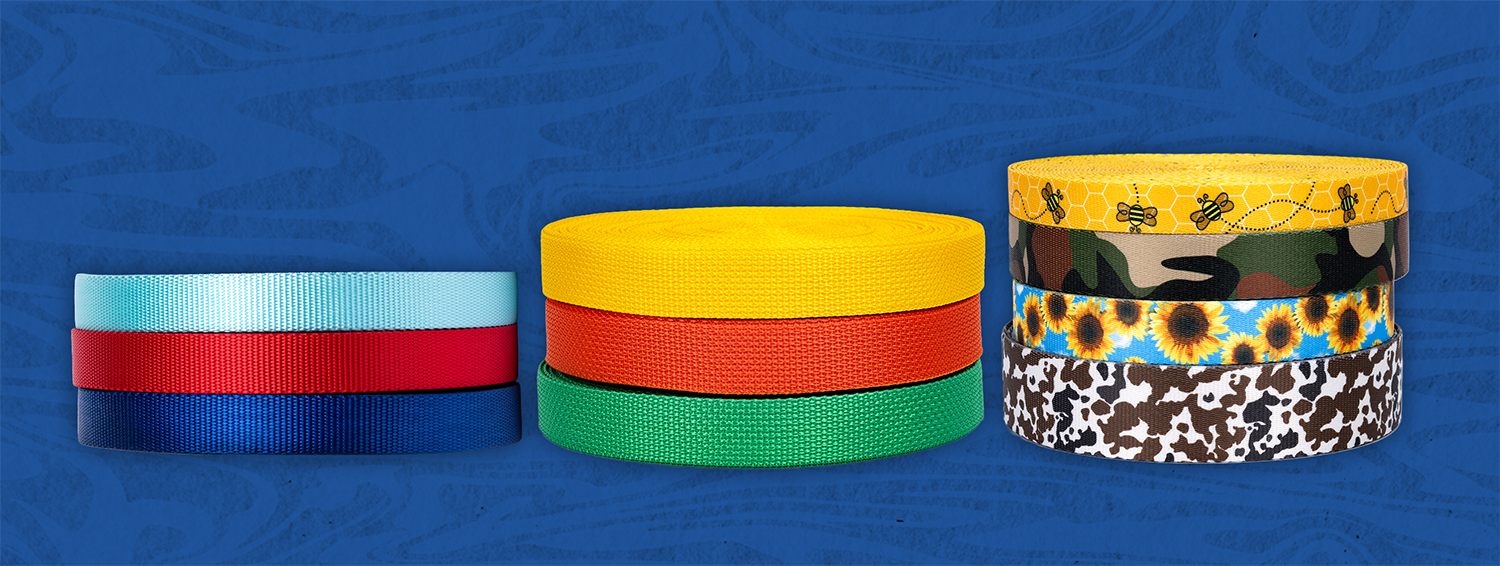
Comparing Webbing Materials
Webbing is a strong, woven fabric manufactured as either a flat strip or a tubular structure. It is commonly used in crafting, sewing, pet products, outdoor gear, and industrial applications.
The most common webbing materials are nylon webbing, polyester webbing, and polypropylene (polypro) webbing. Each type offers unique benefits and trade-offs depending on the intended use.
- Nylon webbing is soft, smooth, and slightly lustrous, available in both neon and basic colors.
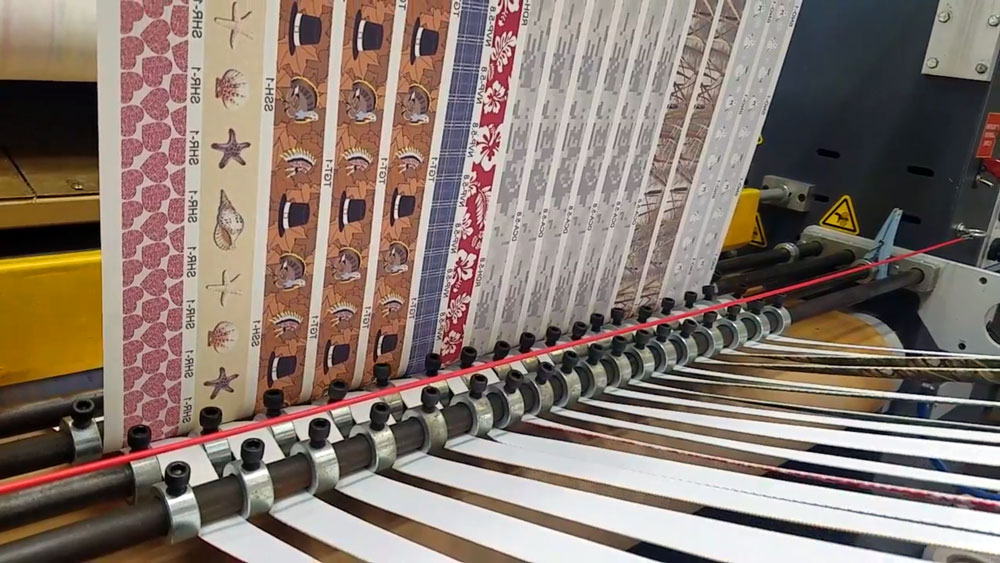
- Polyester webbing can be sublimated, allowing for vibrant patterns and custom designs.
- Polypropylene webbing combines light weight, chemical resistance, and affordability.
Color & Dye Performance
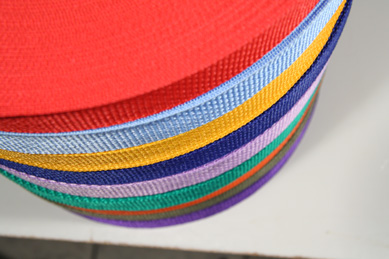
Nylon webbing is known for its bright, saturated colors. However, prolonged exposure to sunlight can cause fading over time. Older nylon webbing may appear dull, patchy, or pale if it has experienced significant UV exposure.
Polyester webbing typically has slightly lighter coloration but offers excellent colorfastness. High-quality polyester webbing resists bleeding and fading, even when exposed to moisture or sunlight.
Polypropylene webbing is widely used in the food, medical, and children’s product industries because its dye is extremely resistant to bleeding or fading. It does not absorb odors, is easy to clean, and performs well in environments where hygiene matters.
Strength & Performance
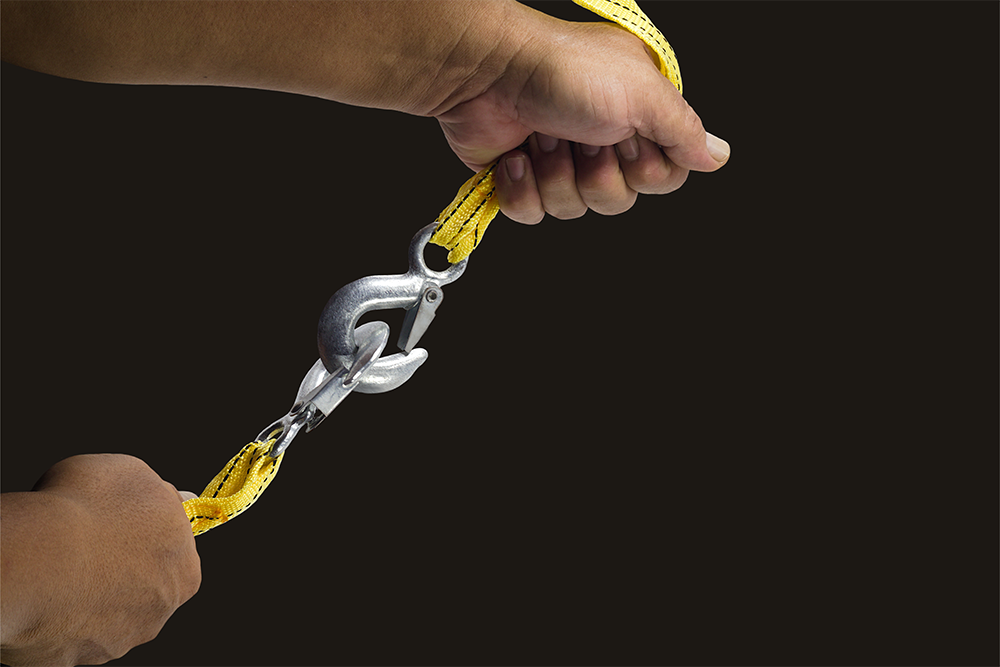
Both nylon and polyester webbing are considered very strong materials. Nylon generally has a higher breaking strength than polyester of the same width and thickness, but it behaves differently under certain conditions.
- Nylon webbing loses strength when wet and will stretch while damp.
- Polyester webbing retains its strength even when wet and stretches far less than nylon.
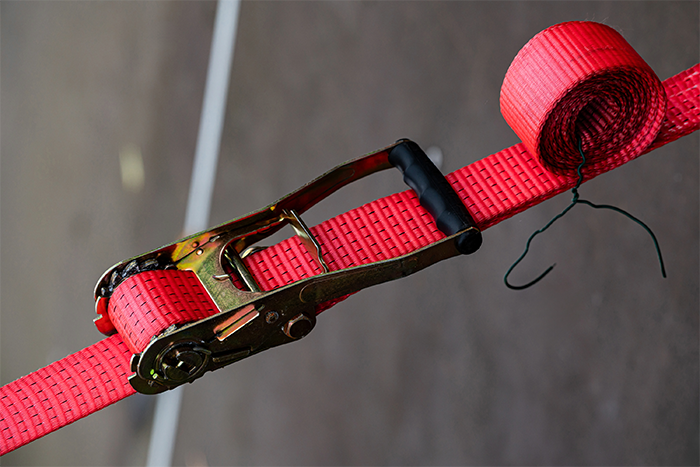
- Polypropylene webbing is not as strong as nylon or polyester but offers unique benefits. It floats in water and resists chemicals like battery acid, making it ideal for certain tie-down and utility applications.
Durability & Ease of Use
All three materials — nylon, polyester, and polypropylene webbing — are durable and long-lasting.
- Nylon webbing is especially well known for its strength and abrasion resistance. It is commonly used in dog leashes, seat belts, luggage straps, and sports equipment.
- Polyester and polypropylene webbing are lighter and more economical than nylon. Their lighter weight also makes them easier to sew, which is why they are popular for backpacks, handbags, and pet products.
Common Uses for Each Type of Webbing
Nylon Webbing
- Seat belts and safety harnesses
- Military backpacks and tactical gear
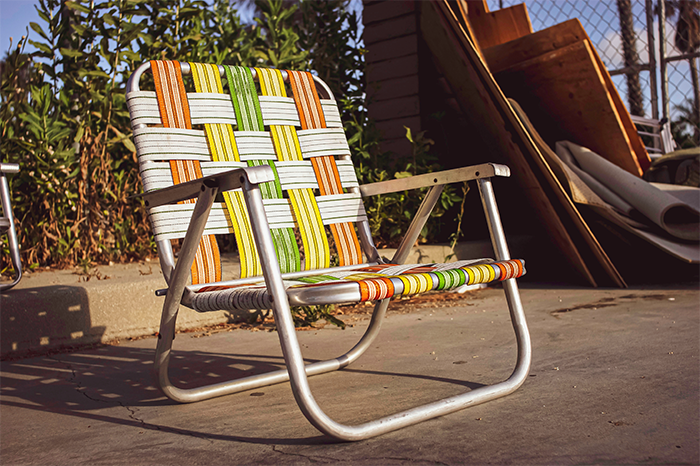
- Outdoor furniture seat suspension
- Dog collars and leashes
- Child safety seat harnesses
Polyester Webbing
- Rock climbing and outdoor gear (minimal stretch)
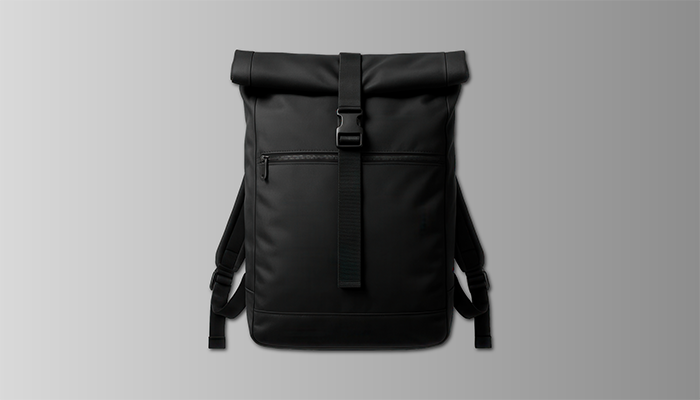
- Backpacks and bags
- Lawn chairs and outdoor furniture
- Sublimated or patterned webbing applications
Polypropylene Webbing
- Seat belts and tie-downs
- Backpacks and reusable shopping bags
- Lawn equipment shoulder straps
- Medical, food-service, and children’s products

Choosing the Right Webbing
While nylon, polyester, and polypropylene webbing share many similarities, the key differences come down to:
- Strength
- Stretch
- Durability
- Environmental exposure (water, UV, chemicals)
If you look around your home, you’ll likely spot webbing everywhere — from purses, backpacks, and pet products to lawn equipment straps and reusable bags. Choosing the right webbing ensures your project is both functional and long-lasting.
Webbing Comparison Reference
For a quick side-by-side breakdown, you can find a handy comparison chart in From the Mailbag at Country Brook Design®, comparing nylon, polyester, and polypropylene webbing.


Thank you
Jeff