
Stitching Matters
Why Thread Quality and Stitch Choice Make a Difference
While the tradition of sewing skills being passed down through generations may be less common today, stitch quality and thread choice still matter more than ever. The difference between a product that lasts for years and one that fails under stress often comes down to how it’s stitched and what thread is used.
In this article, we’ll take a closer look at the types of stitching that provide the greatest durability, using dog collars as a practical example.
Choosing the Right Stitch for Strength
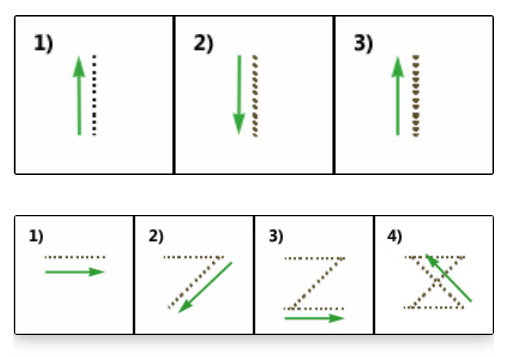
A look at the marketplace shows that many dog collars use a variety of stitching methods. One common option is the triple stitch, which consists of three parallel rows of stitching. While this provides added strength compared to a single stitch, it is not always the most durable option for heavy-duty use.
Building Collars? Everything you Need to Create the Perfect Collar →
The Box Stitch: Built for Durability
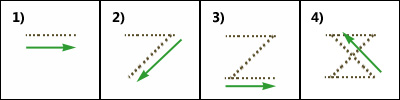
For maximum strength, we use the box stitch, a proven technique made up of two sets of triple stitches with a reinforcing cross stitch through the center. This structure distributes force evenly across the webbing and hardware, significantly increasing durability.
The box stitch is especially important for:
- Large or strong dogs
- Collars and leashes under constant tension
- Products exposed to frequent movement and pulling
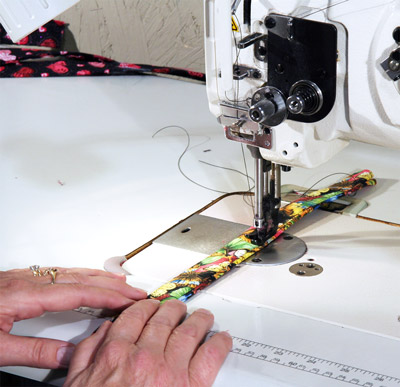
Most modern sewing machines include settings that allow for even, consistent triple stitches, which form the foundation of a proper box stitch.
Seeing the Box Stitch in Action
Because the box stitch is easier to understand visually, we recommend following a step-by-step guide when learning this technique. You can find a clear illustration of the box stitch in Step 10 of our guide to making dog collars.
Thread Quality Matters Just as Much
Even the strongest stitch pattern can fail if it’s sewn with inferior thread. That’s why high-quality thread is the second critical component of a durable dog collar.
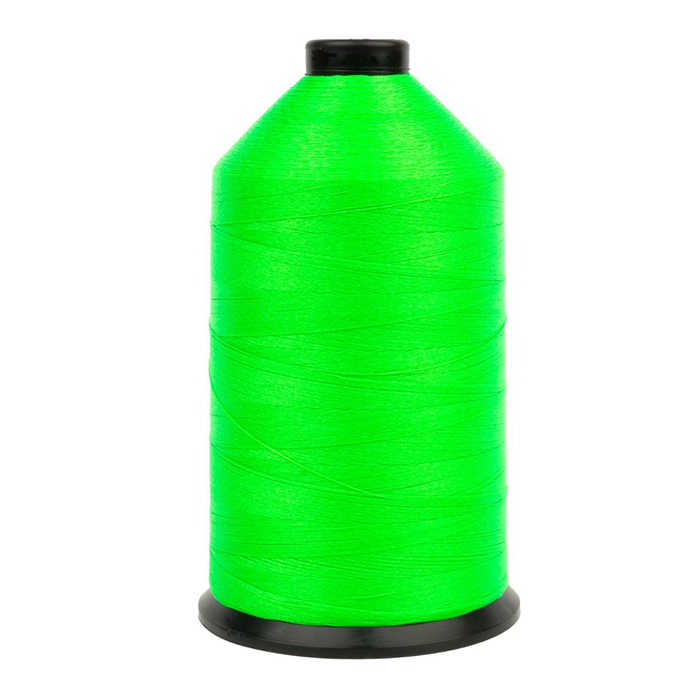
We use Bonded Nylon Thread, size B69, which is significantly thicker and stronger than standard craft thread. In fact, B69 is the largest thread size compatible with most home sewing machines, making it the closest option to industrial-strength thread while still being accessible for handmade projects.
Why B69 Bounded Nylon Thread?
- High tensile strength
- Excellent resistance to abrasion
- Performs well in wet, dirty, and outdoor conditions
- Long-lasting under repeated stress
This makes B69 thread ideal for dog collars, leashes, belts, and other heavy-duty sewn projects.
Built to Handle Real Life
No matter where your adventures take you, a collar constructed with box stitches and B69 bonded nylon thread is designed to hold up. Even the strongest, most energetic dogs put these collars to the test — and they’re built to pass.
When it comes to your projects (and your pets), cutting corners isn’t worth it. Strong stitching and quality materials ensure safety, longevity, and peace of mind.
You and your canine companion deserve nothing less than the best.


