
Accessories for DIY Projects Using Nylon Webbing
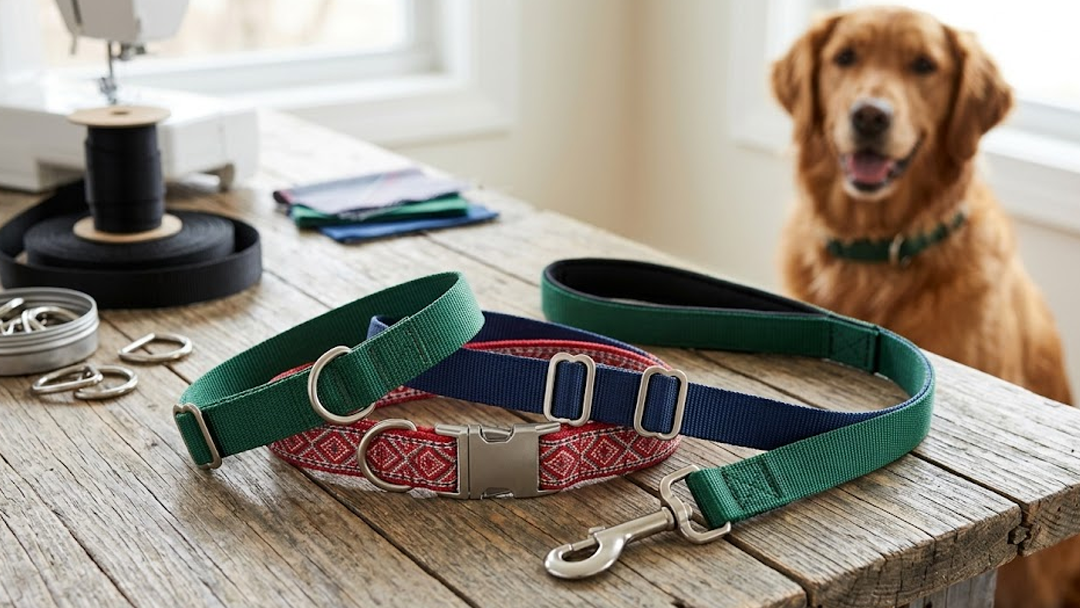
Nylon webbing is one of those materials that quietly powers a huge range of everyday products. From outdoor gear to pet accessories to home repairs, it provides the strength and flexibility that many projects rely on. On its own, webbing is only part of the equation. The right accessories and hardware are what turn it into something functional, safe, and long-lasting.
If you are building or repairing anything with nylon webbing, choosing the correct components matters just as much as choosing the webbing itself. The combination of material, hardware, and construction determines how well your finished product performs in real-world use.
This guide walks through the most common accessories used with nylon webbing, along with practical examples of how they come together across different types of projects.
Why Nylon Webbing Is So Widely Used
Before getting into accessories, it helps to understand why nylon webbing is such a popular choice.
Nylon is known for its strength, flexibility, and resistance to wear. It can handle heavy loads while still remaining comfortable to the touch, which makes it ideal for both structural and wearable applications. It also has a slight amount of stretch, which helps absorb shock in certain uses.
This balance of durability and flexibility is what makes nylon webbing so versatile. It can be used in everything from heavy-duty tie-downs to lightweight straps for everyday carry items.
That versatility is also why the right hardware matters. Different projects place different demands on the material, and the accessories you choose need to match those demands.
Essential Hardware for Nylon Webbing Projects
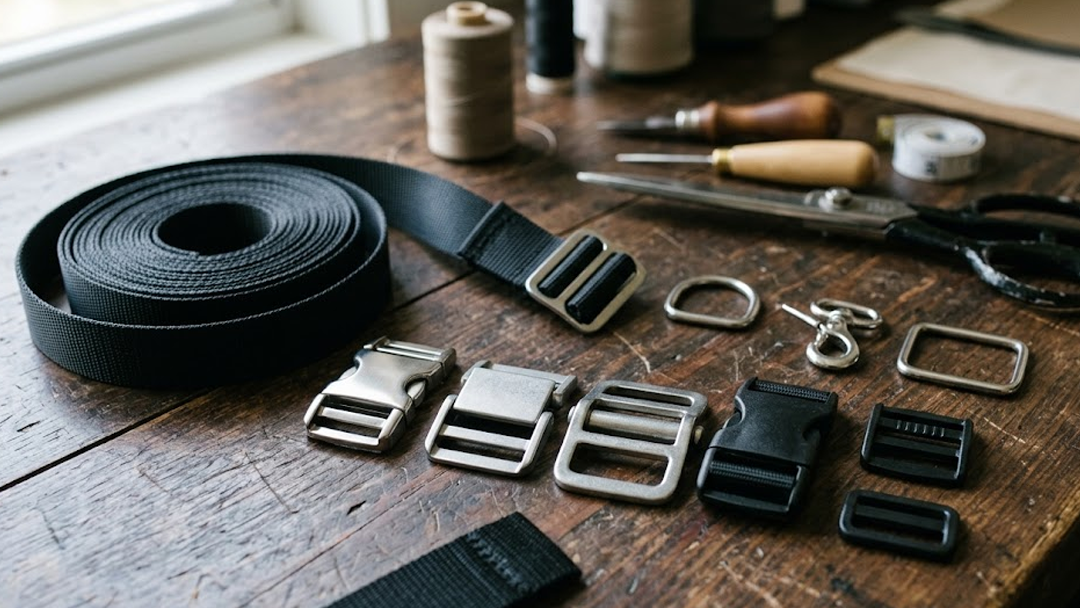
When working with nylon webbing, a few core hardware components show up again and again. Each serves a specific purpose, and understanding how they function will help you build better products.
Buckles
Buckles are one of the most common accessories used with webbing. They allow you to secure, adjust, and release straps quickly.
Plastic buckles are lightweight and resistant to corrosion, which makes them ideal for outdoor gear and everyday use. They are commonly found on backpacks, camping equipment, and pet accessories.
Metal buckles offer increased strength and durability. Stainless steel options are especially useful in environments where moisture or exposure to the elements is a concern. These are often used in heavy-duty applications or where long-term reliability is critical.
Choosing between plastic and metal usually comes down to the weight requirements and the environment the product will be used in.
D-Rings
D-rings are used as anchor points or attachment loops. They are especially common in pet accessories like collars and harnesses, where they provide a place to clip a leash.
They can also be used in bags, belts, and other gear where you need a secure connection point.
Metal D-rings are typically preferred for strength and durability, especially in load-bearing applications. The size of the ring should match the width of the webbing to ensure a proper fit.
Triglides
Triglides are small but essential components that allow you to adjust the length of a strap and keep it in place.
They are often used alongside buckles in adjustable systems, such as backpack straps or dog collars. Once the webbing is threaded through a triglide, it creates friction that holds the strap at the desired length.
Triglides can be made from plastic or metal, and like buckles, the choice depends on the application.
Hooks and Clips
Hooks and clips are used when you need a quick attachment or release point. These are common in leashes, key holders, and removable straps.
Swivel hooks are especially useful because they prevent twisting, which can improve both comfort and usability.
For outdoor or heavy-duty use, metal hooks are typically the better option due to their strength and longevity.
Thread and Stitching Materials
While not always thought of as hardware, thread and stitching are just as important as any metal or plastic component.
Heavy-duty thread is essential for projects that will carry weight or experience repeated stress. The stitching pattern also plays a role in strength. Reinforced stitching, such as box stitches or bar tacks, helps distribute load and prevent failure.
Even the best webbing and hardware can underperform if the stitching is not up to the task.
Common Projects Using Nylon Webbing and Accessories
Nylon webbing and its accessories show up in a wide range of practical applications. Understanding how these components work together in real projects can help you plan your own builds more effectively.
Lawn Chair Repairs
One of the most common household uses for nylon webbing is repairing outdoor furniture.
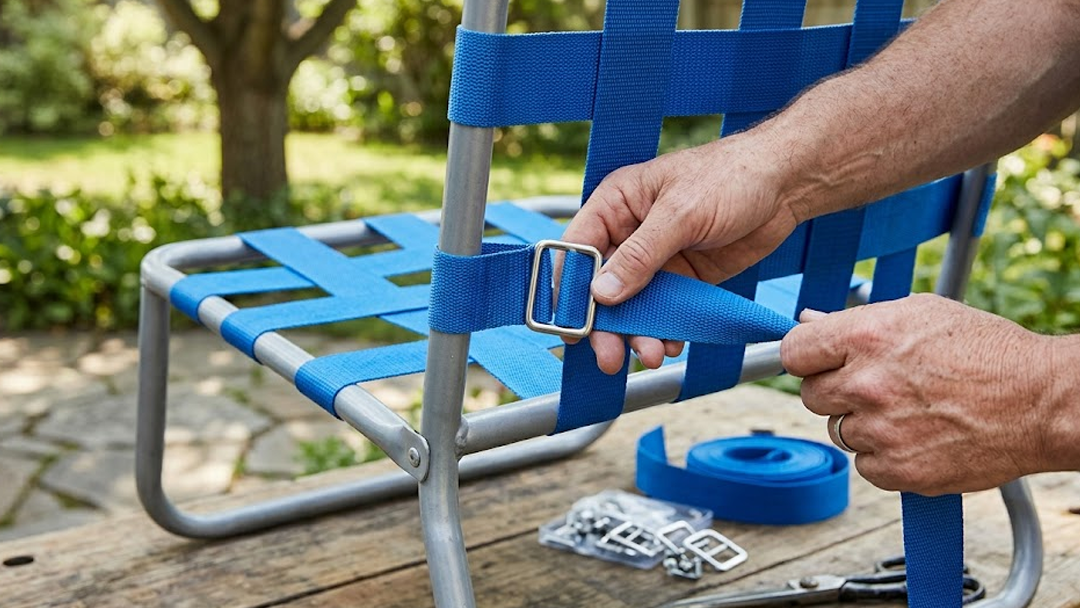
Over time, the original material on lawn chairs can wear out, crack, or lose tension. Replacing it with nylon webbing is a cost-effective way to extend the life of the chair.
In this type of project, webbing is typically paired with hooks or fasteners that attach it to the frame. Stainless steel hardware is often preferred because it resists rust and holds up well in outdoor conditions.
The result is a chair that is not only functional again but often stronger and more supportive than before.
Backpack and Outdoor Gear Adjustments
Backpacks and outdoor gear rely heavily on adjustable straps. If a pack does not fit properly, it can lead to discomfort or even strain during extended use.
Nylon webbing makes it possible to modify or extend these straps. Buckles and triglides are used to create adjustable systems that can be tailored to the user.
Plastic hardware is commonly used here because it keeps weight down while still providing reliable performance. In more demanding environments, metal components may be used for added durability.
The goal is to create a secure, adjustable fit that distributes weight evenly and improves comfort over long distances.
Dog Collars and Leashes
Pet accessories are one of the most popular DIY applications for nylon webbing.
Dog collars and leashes need to be both strong and comfortable. Nylon webbing provides the strength, while accessories like D-rings, buckles, and triglides complete the system.
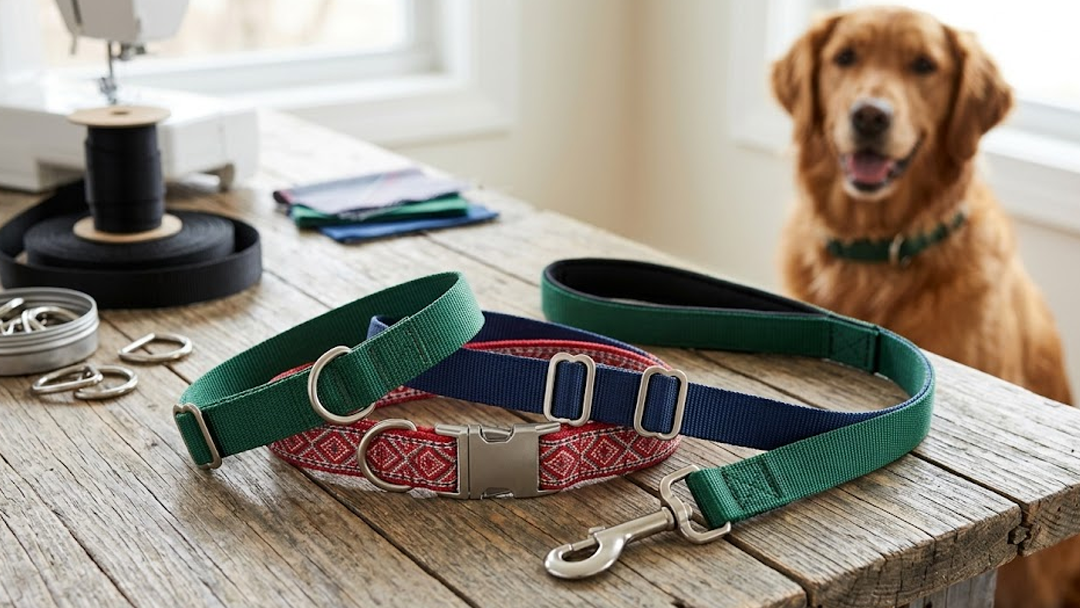
A typical collar setup includes a buckle for closure, a D-ring for leash attachment, and a triglide for size adjustment. Leashes often include a swivel hook for easy attachment and reduced twisting.
One of the advantages of making these items yourself is the ability to customize them. Webbing is available in a wide range of colors and patterns, allowing you to create matching sets or designs tailored to specific preferences.
Heavy-Duty Tie-Downs and Utility Straps
Nylon webbing is also used in more demanding applications, such as securing loads or creating utility straps.
In these cases, strength is the top priority. Metal hardware is typically used, and stitching must be reinforced to handle high tension.
Some types of nylon webbing are rated to hold significant weight, making them suitable for applications like cargo straps or equipment securing systems.
When working on projects like this, it is important to understand the load requirements and choose materials accordingly.
Choosing the Right Accessories for Your Project
The success of a nylon webbing project often comes down to how well the components work together.
Start by considering the purpose of the item. Will it carry weight, or is it primarily decorative? Will it be used outdoors, or kept indoors? How often will it be adjusted or handled?
These questions help determine whether you need heavy-duty metal hardware or lighter plastic components.
It is also important to match sizes correctly. Webbing width should align with the size of buckles, triglides, and rings. A mismatch can lead to slipping, uneven wear, or reduced strength.
Finally, think about longevity. Investing in quality hardware may cost more upfront, but it often results in a product that lasts significantly longer.
Final Thoughts
Nylon webbing is a reliable foundation for a wide range of projects, but it reaches its full potential when paired with the right accessories.
Buckles provide security and adjustability. D-rings create attachment points. Triglides maintain fit. Hooks add convenience. Strong stitching ties everything together.
When these components are chosen thoughtfully, the result is a product that not only works but holds up over time.
Whether you are repairing a lawn chair, customizing a backpack, or building a set of dog collars, taking the time to select the right hardware will make a noticeable difference in both performance and durability.
FAQ
What accessories are needed for nylon webbing projects?
Common accessories include buckles, D-rings, triglides, hooks, and heavy-duty thread. The exact combination depends on the type of project.
Should I use plastic or metal hardware?
Plastic is lightweight and works well for general use. Metal is stronger and better suited for heavy-duty or outdoor applications.
What size hardware should I use?
Hardware should match the width of the webbing. For example, 1-inch webbing should be paired with 1-inch buckles and rings.
Is nylon webbing strong enough for heavy loads?
Yes, many types of nylon webbing are designed for high-strength applications. Always check the weight rating for your specific material.
Can I make dog collars and leashes with nylon webbing?
Yes, nylon webbing is commonly used for pet accessories due to its strength and comfort. Proper hardware and stitching are essential for safety.
What type of stitching should I use?
Reinforced stitching patterns such as box stitches or bar tacks are recommended for load-bearing projects.
How do I prevent webbing from fraying?
Cut ends can be sealed with heat to prevent fraying. This helps maintain a clean finish and extends the life of the material.
Can I repair outdoor furniture with nylon webbing?
Yes, nylon webbing is often used to repair lawn chairs and similar furniture. It provides strength and flexibility while extending the life of the item.


