
Creative Ways to Use Patterned Webbing in DIY Projects
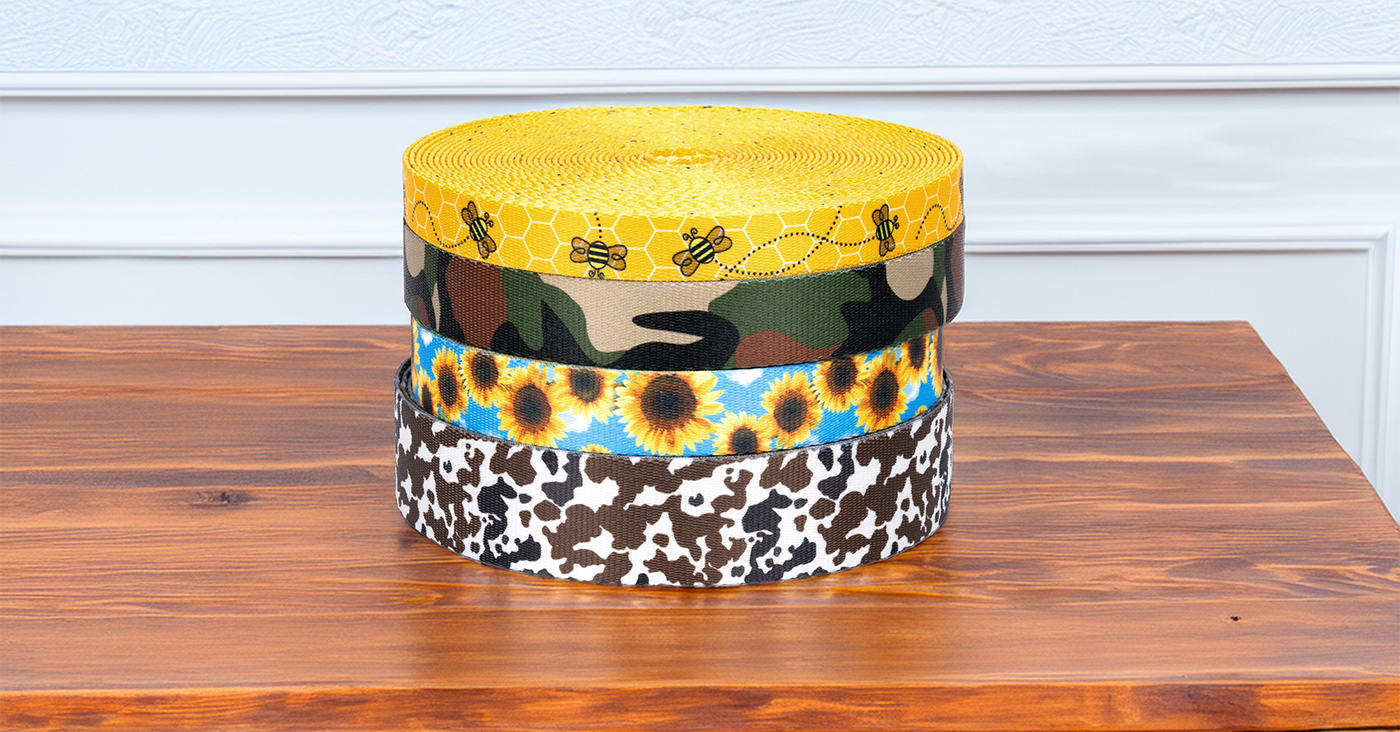
Patterned webbing sits at a really interesting intersection between function and design. It has all the strength and durability you expect from traditional webbing, but it adds something extra that most materials do not. Color, personality, and visual identity. For a long time, webbing was treated as purely utilitarian. It was there to hold weight, secure gear, or reinforce structure. Now, with patterned options, it becomes part of the aesthetic. It can elevate a simple project into something that looks intentional, finished, and even brand-worthy. If you are working on DIY projects, whether for personal use or as part of a small business, patterned webbing opens up a wide range of creative possibilities. The key is understanding how to use it in ways that feel cohesive rather than decorative for the sake of decoration. Let’s walk through some of the most effective and creative ways to use patterned webbing, along with practical considerations to help your projects hold up over time.
Why Patterned Webbing Works So Well in DIY
Before getting into specific ideas, it is worth understanding why patterned webbing is such a powerful material. It solves a common problem in DIY projects. Many builds are structurally sound but visually plain. Fabric can add color, but it often lacks durability. Leather looks great, but it can be expensive and harder to work with. Patterned webbing hits a sweet spot. It is strong, relatively easy to sew, and already carries a finished look. You do not need to dye it, print on it, or treat it after the fact. The design is built in. It also scales well. The same roll of webbing can be used for a one-off project or a batch of products if you are making items to sell.
Custom Straps That Actually Stand Out
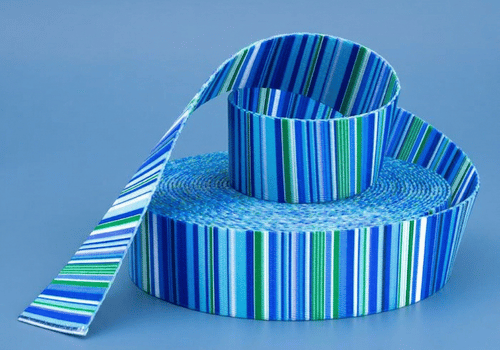
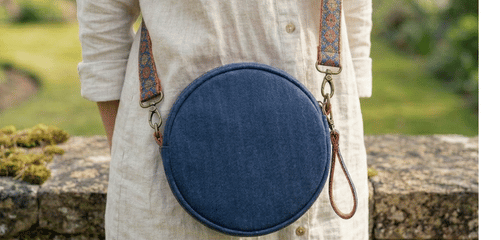
One of the easiest and most impactful ways to use patterned webbing is for bag straps. Tote bags, crossbody bags, backpacks and duffels all rely on straps as a core component. Most of the time, these straps are plain and forgettable. Swapping in patterned webbing instantly changes the look of the entire piece. A simple canvas tote can go from generic to eye-catching just by upgrading the handles. A neutral bag paired with a bold pattern creates contrast without overwhelming the design. If you are making bags to sell, straps are also a great place to introduce variation without redesigning the entire product. You can offer the same bag body with multiple strap patterns, which keeps production simple while giving customers options. When building bag straps, pay attention to width and comfort. Wider webbing distributes weight better, which matters for anything that will be carried for long periods.
Dog Collars and Leashes with Personality
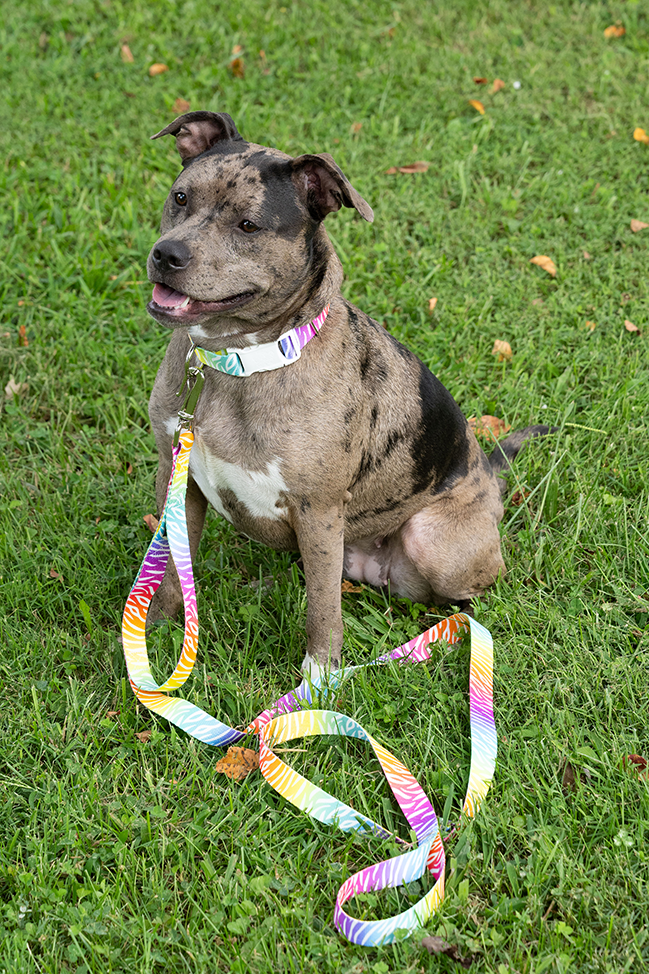
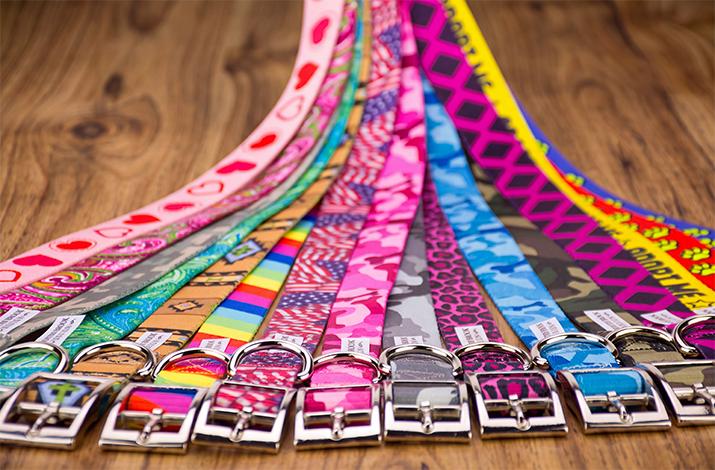
Pet accessories are one of the best use cases for patterned webbing. Dog collars and leashes need to be durable, but they are also a reflection of the owner’s style. Patterned webbing allows you to combine both. A collar made from patterned webbing feels more like a finished product than a basic strap. It also gives you an easy way to create themed or seasonal designs. Think outdoor patterns, bright colors, or even subtle neutrals for a more refined look. Leashes can follow the same approach. You can use a matching pattern for a cohesive set or mix patterns for something more playful. If you are making these for others, this category has strong potential as a small business. Custom collars and leashes are always in demand, and patterned webbing gives you a built-in differentiator. Just make sure you are using the right material for strength. This is one area where durability cannot be compromised.
Key Fobs and Wristlets That Feel Finished
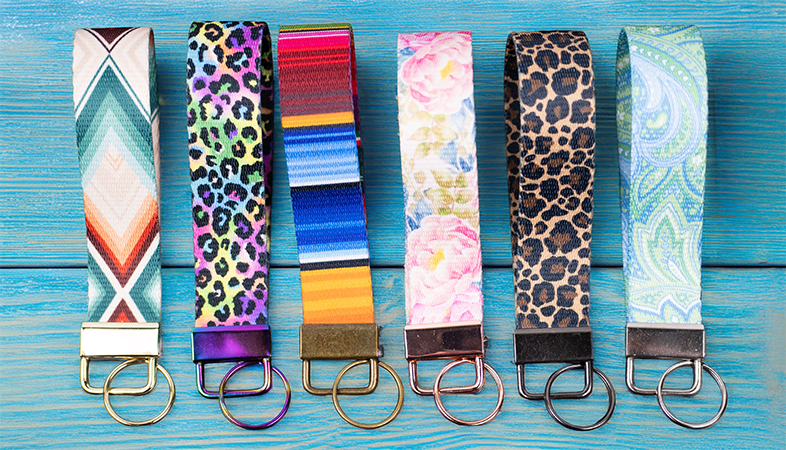
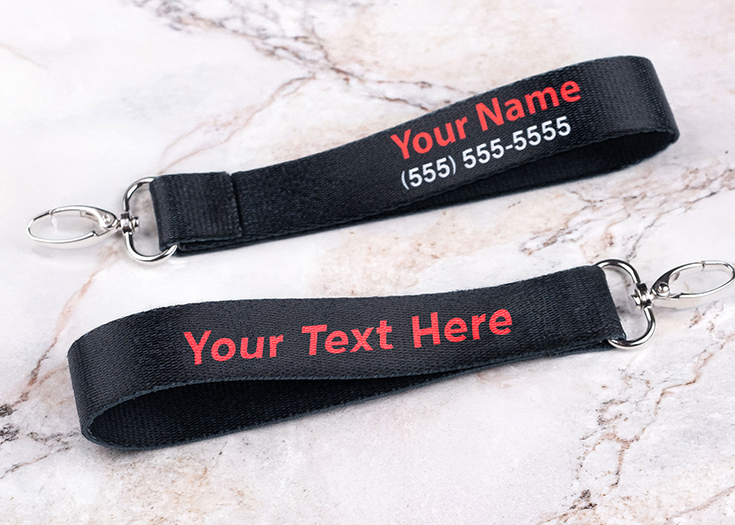
Small projects are where patterned webbing really shines. Key fobs and wristlets are quick to make, require minimal materials, and are perfect for using shorter lengths of webbing. They also highlight the pattern in a way that larger projects sometimes do not. Because these items are handled frequently, the durability of webbing is a major advantage. Fabric can fray over time, but webbing holds its shape and structure. This is also a great entry point if you are new to working with webbing. The construction is straightforward, and you can experiment with different patterns without committing to a larger build. For those selling handmade goods, key fobs are an excellent add-on product. They are easy to bundle, giftable, and allow you to showcase a variety of designs.
Camera Straps and Gear Accessories
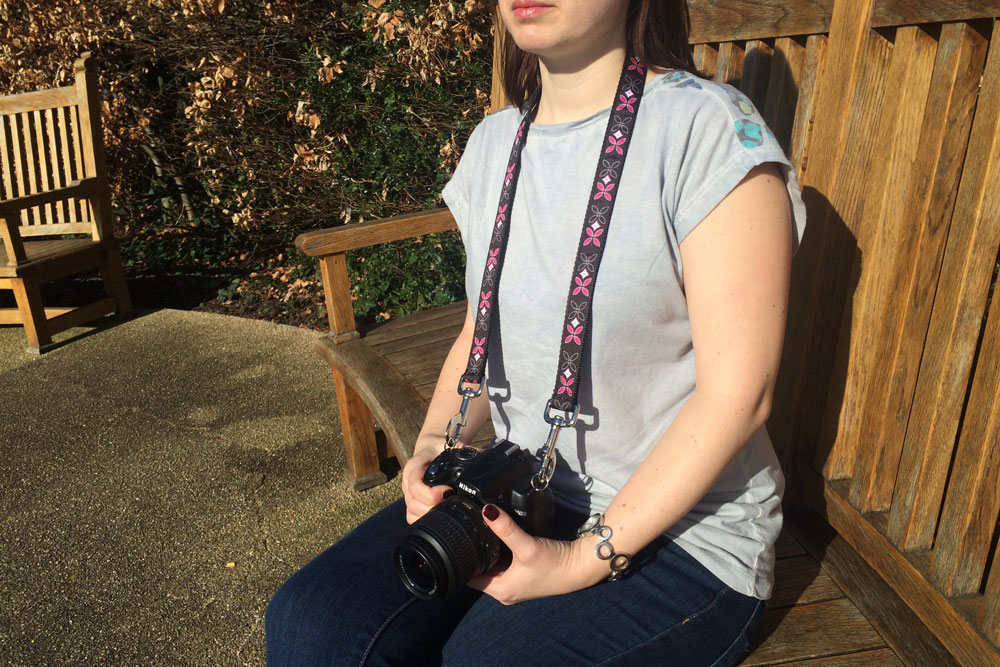
If you want a project that feels both creative and functional, camera straps are a strong option. Most standard camera straps are plain and utilitarian. Replacing them with patterned webbing creates something that feels custom and personal. You can keep the design minimal with a subtle pattern or go bold with something that stands out. Either way, it adds character to a piece of gear that is often used in creative settings. The same idea applies to other gear accessories. Think straps for binoculars, tool bags, or even portable speakers. Anywhere a strap exists, there is an opportunity to upgrade it. When working on gear, comfort becomes important. Consider adding padding or lining if the strap will carry weight for extended periods.
Outdoor Gear with a Visual Upgrade
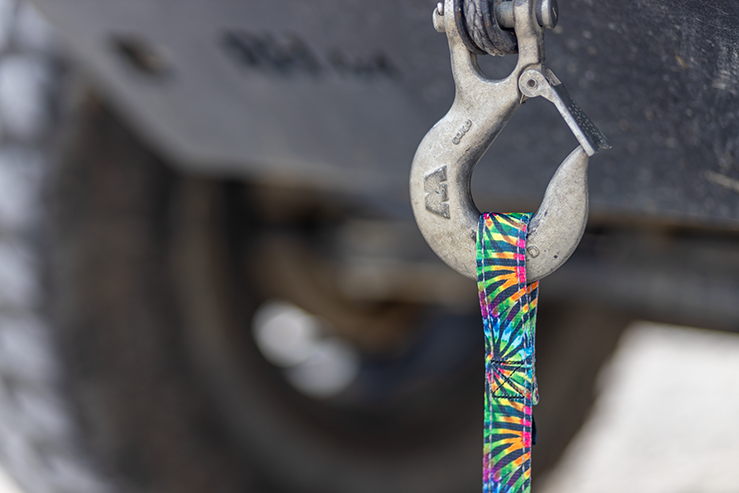
Patterned webbing is not limited to indoor or fashion-focused projects. It can be used in outdoor gear as well. Compression straps on backpacks, tie-down straps for camping setups, and even hammock suspension systems can incorporate patterned webbing. This is especially useful if you want to differentiate your gear or make it easier to identify. A unique pattern can help you quickly spot your equipment in a shared campsite or crowded storage area. It is a small detail, but it makes a difference in real-world use. Just be mindful of the environment. If your gear will be exposed to heavy sun or moisture, choose webbing that can handle those conditions.
Belts and Wearable Accessories
Belts are another strong candidate for patterned webbing. A webbing belt is simple to construct and offers a casual, durable alternative to leather. Adding a pattern gives it a more intentional look, turning a basic accessory into something that feels designed. You can keep it understated with neutral tones or go more expressive depending on your style. Other wearable accessories, like guitar straps or even simple harnesses, can also benefit from patterned webbing. These projects allow you to combine comfort, durability, and visual appeal in a single piece.
Home and Lifestyle Projects
Patterned webbing is not limited to things you wear or carry. It can also be used in home projects. Drawer pulls, hanging organizers, and storage solutions can all incorporate webbing. A patterned strap used as a handle adds a subtle design element that feels modern and functional. You can also use webbing for wall-mounted storage, such as hanging loops for tools or gear. The pattern adds visual interest without requiring additional decoration. This is a good way to tie together a space if you are already using similar colors or materials elsewhere.

Branding and Product Identity
If you are building products to sell, patterned webbing can become part of your brand identity. Instead of treating straps as a generic component, you can use consistent patterns across your products. Over time, this creates recognition. Customers begin to associate that pattern with your work. This approach works especially well for small businesses. It allows you to stand out without significantly increasing production complexity. You can also use patterned webbing to create limited runs or seasonal variations, which keeps your product line fresh without requiring a full redesign.
Practical Tips for Working with Patterned Webbing
While patterned webbing is easy to work with, a few practical considerations will improve your results. Start by aligning the pattern carefully before cutting. Small misalignments can be noticeable, especially on symmetrical designs. Use sharp scissors or a hot knife to prevent fraying. Sealing the ends helps maintain a clean finish. Choose hardware that complements the pattern rather than competing with it. Simple buckles and fittings often work best, allowing the webbing to remain the focal point. Finally, think about how the pattern flows through the project. Continuity can make a big difference in how polished the final piece feels.

Final Thoughts
Patterned webbing gives you a rare combination of strength and style. It takes something that was once purely functional and turns it into a design feature. Whether you are making bags, pet accessories, outdoor gear, or small everyday items, it offers a simple way to elevate your work. You do not need to reinvent your projects. Sometimes, swapping in the right material is enough to transform the entire piece. The best approach is to start small, experiment with different patterns, and pay attention to how they interact with the rest of your design. Over time, you will develop a sense for what works and what feels cohesive. From there, the possibilities open up quickly.
FAQ
What is patterned webbing made from?
Patterned webbing is typically made from materials like polyester or nylon, with the design either woven in or applied through processes like sublimation printing.
Is patterned webbing as strong as plain webbing?
Yes, as long as it is made from the same base material and constructed to the same specifications. The pattern does not reduce strength when produced correctly.
Can I use patterned webbing for load-bearing projects?
You can, but you should always check the material and strength rating. For heavy-duty applications, nylon or polyester webbing is usually the best choice.
Does the pattern fade over time?
It depends on the material and how it is used. Polyester webbing with sublimated designs tends to hold color well, even with outdoor exposure.
Is patterned webbing good for outdoor use?
Yes, especially when made from polyester. It resists moisture and UV exposure better than some other materials.
What tools do I need to work with webbing?
Basic tools include sharp scissors or a hot knife, a sewing machine capable of handling thicker materials, and appropriate thread. Hardware like buckles and rings may also be needed depending on the project.
Can I sell products made with patterned webbing?
Absolutely. Many small businesses use patterned webbing to create unique, marketable products like collars, straps, and accessories.
How do I keep webbing from fraying?
Sealing the cut ends with heat is the most common method. This melts the fibers slightly and prevents unraveling.


