
What is Grosgrain Ribbon?
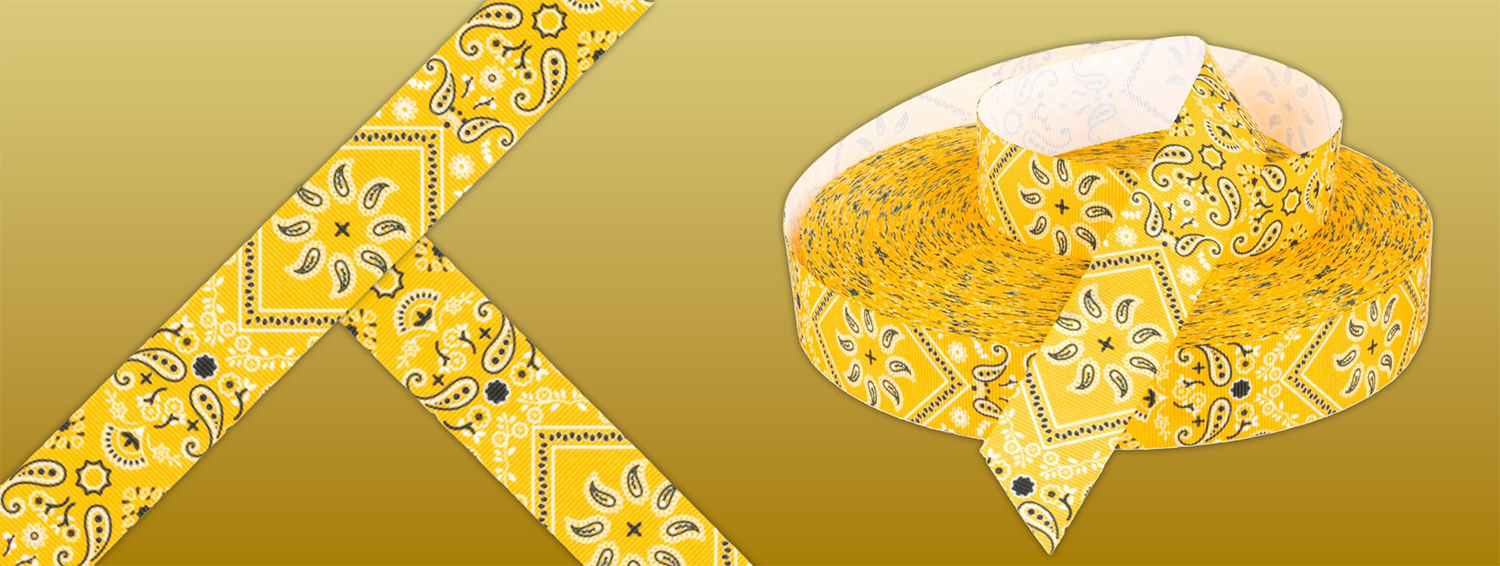
Grosgrain ribbon is a ribbon made with a firm, ribbed weave, traditionally produced from silk or silk blended with fibers like mohair or wool. The name “grosgrain” comes from French origins — “gros” meaning large or coarse, and “graine” meaning grain — referring to the ribbon’s distinctive textured appearance.
Today, grosgrain ribbon is most commonly made from polyester or nylon, making it both durable and versatile. This modern construction has helped grosgrain ribbon become a staple across crafting, sewing, apparel, packaging, and industrial applications.
Some grosgrain ribbons are treated with a moiré finish, which creates a soft, water-like wave pattern across the surface. This effect has long been a favorite in women’s fashion and accessories, adding visual interest without excessive shine.


Some grosgrain ribbons are treated with a moiré finish, which creates a soft, water-like wave pattern across the surface. This effect has long been a favorite in women’s fashion and accessories, adding visual interest without excessive shine.
A Brief History of Grosgrain
During the 1600s, grosgrain fabric was commonly used in women’s garments such as jackets, petticoats, and jerkins. Its sturdy texture made it a practical alternative for those who could not afford smooth silks or finely woven wool. However, grosgrain was not exclusively a lower-class fabric. In Gone with the Wind, Scarlett O’Hara famously wears a hemmed frock coat of grosgrain, highlighting its presence in higher fashion as well.
For the next three centuries, grosgrain remained popular until the 1920s, when fashion trends shifted and women began favoring it more as a decorative trim rather than a primary garment fabric.
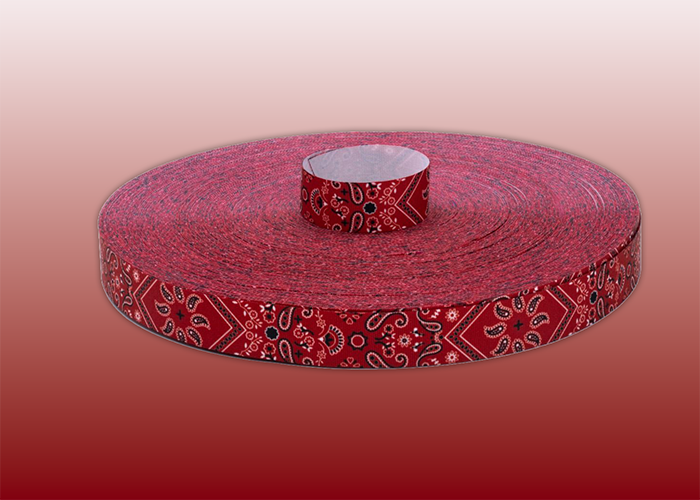
Grosgrain Ribbon in Apparel & Fashion
As a fabric, grosgrain (outside of black) became less common for full garments, but grosgrain ribbon continued to thrive. It is frequently used for shirt hems, underwear waistbands, elastic casings, and trim, offering strength without bulk.
Higher-end grosgrain ribbons made from satin or burnished silk are often used in evening wear, including:
- Lapel facings on tuxedos and dinner jackets
- Decorative ribbon connections between garment pieces
- Internal reinforcements that remain hidden while adding structure
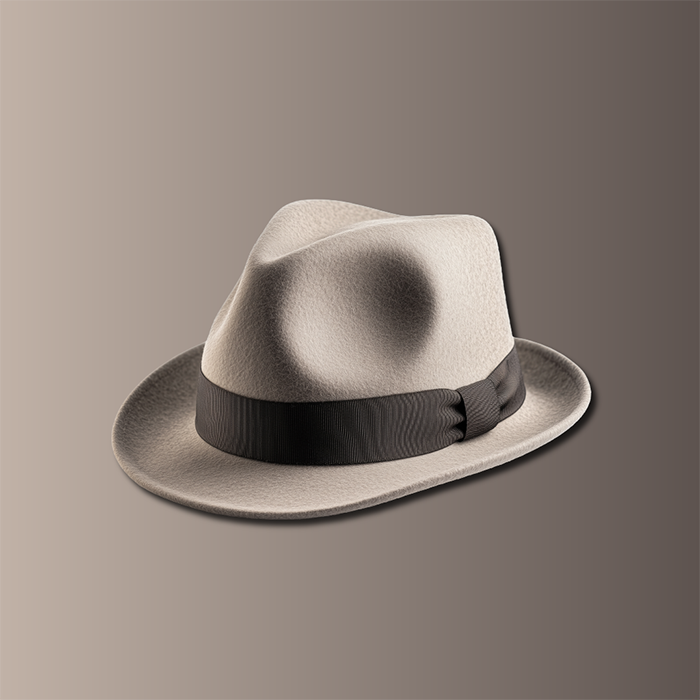
Because grosgrain is compact yet strong, it is ideal for reinforcing belts, braids, and specialty finishes. Visibly, it’s also a classic choice for bow ties, cummerbunds, and hat bands — particularly in formal wear.
Grosgrain Ribbon Beyond Clothing
Grosgrain ribbon isn’t limited to fashion. Its strength and durability make it useful in many non-apparel applications, including:
- Bookbinding and spine reinforcement
- Gift wrapping and hair bows
- Ribbon flowers and decorative crafts
- Bag handles and reinforcement straps
In industrial and utility uses, nylon grosgrain webbing is commonly found in messenger bags, luggage, pet products, and cargo applications.
Ribbon on webbing combines the decorative appeal of grosgrain ribbon with the load-bearing strength of webbing, making it ideal for projects that need both style and durability.



Why Grosgrain Ribbon Remains Popular
One reason grosgrain ribbon has stood the test of time is its exceptional longevity. It resists fraying, holds its shape, and performs well under stress — qualities that have kept it in demand for centuries.
From historical garments to modern crafting, packaging, and industrial uses, grosgrain ribbon remains one of the most versatile and dependable ribbon styles available today.


